
 Cart is empty
The effects of alcohol poisoning are brain damage, liver failure, respiratory depression, hypothermia, coma, and death. These outcomes result from suppressed central nervous system activity, oxygen deprivation, and the body’s inability to eliminate ethanol at toxic BAC levels. In excessive amounts, it leads to intoxication, dehydration, and impaired breathing, raising the risk of blackouts, vomiting, and liver damage. Long-term heavy use contributes to brain damage, mental health decline, and alcohol use disorder. A sharp rise in BAC (blood alcohol concentration) affects the central nervous system, increasing the risk of choking, blackouts, and brain damage. Overdose outcomes worsen with binge drinking, drinking on an empty stomach, or mixing alcohol with other depressants.
Is There any Medication for Alcohol Poisoning?
Alcohol poisoning happens when excess alcohol in your bloodstream starts affecting life-supporting functions, like your breathing, heart rate and consciousness. Alcohol poisoning can be life-threatening and needs immediate medical care. Alcohol can irritate a person’s stomach, causing them to vomit–even when they are unconscious. In such cases, someone is in danger of choking on their own vomit, leading to asphyxiation and subsequent brain damage.2 Never leave a person alone who you suspect has overdosed on any drug, including alcohol.
Can Alcohol Addiction Increase the Risk of Alcohol Poisoning?
An electrolyte panel is used to identify imbalances that lead to cardiac arrhythmias or seizures, while liver function tests (LFTs) assess potential liver damage from excessive alcohol intake. Additionally, a toxicology screening detects the presence of other drugs, such as opioids or benzodiazepines, which increase the risk of respiratory failure. Treatment for alcohol poisoning includes IV fluids, oxygen therapy, stomach pumping, and blood filtration.
What Is Adult Attachment Disorder? Signs and Symptoms to Watch For!
If you’re with someone who might have drunk too much, call 911 right away. If you or your friend are under the legal drinking age, you might be worried about the legal consequences. But alcohol poisoning is so serious, that not calling 911 could result in Drug rehabilitation death. In any case, it’s unlikely that the paramedics or hospital team will call the police.
Treatment for Alcoholism
- While waiting for help, keep the person awake and sitting up if possible.
- Men are more likely than women to drink heavily, resulting in a greater risk for an alcohol overdose.
- These include the availability of alcohol, increases in people experiencing mental health conditions, and challenges in accessing health care.
- Slow or irregular breathing—fewer than eight breaths per minute or long pauses between breaths—can signify a life-threatening situation.
- Find addiction treatment facilities that take insurance, rehabs that allow pets, outpatient rehab programs, and more.
This results in a rapid rise in blood alcohol concentration (BAC), leading to ethanol toxicity. Binge drinking implies consuming five or more drinks for men and four or more drinks for women within two hours. When alcohol is consumed faster than the liver metabolizes it, blood alcohol concentration (BAC) rises rapidly, leading to central nervous system suppression, respiratory failure, and unconsciousness. Preventing alcohol poisoning begins with responsible drinking habits.

When Does Alcohol Overdose Occur?
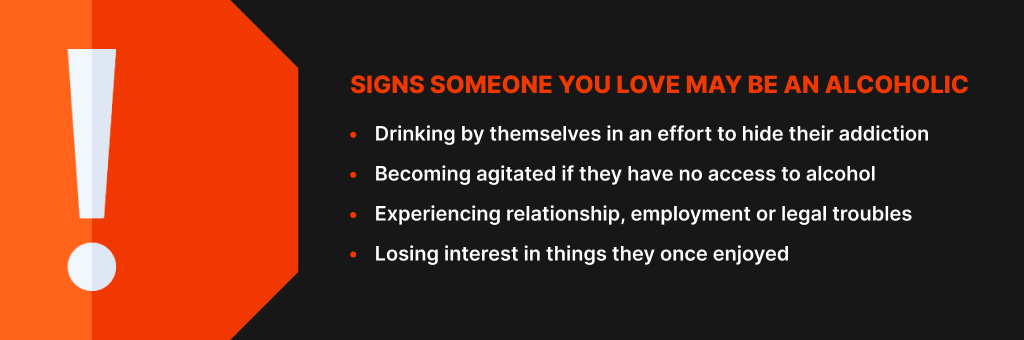
If you experience alcohol poisoning, this could be the wake-up call you need. Accept you have a drinking problem, reach out for help and commit to changing your life. Or you may wish to contact a private provider, like Priory, directly.
Alcohol enters the bloodstream within minutes of drinking, and it takes about minutes for the blood alcohol level to reach its highest point. If you drink too much alcohol too quickly, your liver can’t remove it fast enough. This causes the amount of alcohol in the blood, also known as blood alcohol concentration (BAC), to rise. Our team of professionals works with clients to address the root causes alcohol overdose of alcohol use, whether related to addiction, mental health issues, or both.
When ethanol toxicity is suspected, quick action is vital to prevent serious harm or death. If they’re unconscious, place them in the recovery position to prevent choking. Recognizing the signs of alcohol poisoning could save a life, whether it’s your own or someone else’s. The Recovery Village at Palmer Lake provides a full continuum of care for those struggling with alcohol addiction. Located among the beautiful mountains of Colorado, our professional rehab facility provides an ideal environment in which healing and lasting recovery from addiction can begin.
Alcohol Poisoning: Definition, Causes, Signs And Symptoms, Risk Factors, Effects, Treatment
Alcohol poisoning, also referred to as alcohol overdose, is a serious and potentially life-threatening condition that arises when a person consumes large amounts of alcohol in a short timeframe. Recognizing the signs of alcohol poisoning and knowing how to respond can save a life. This guide will explain what alcohol poisoning is, the symptoms to watch for, causes and risk factors, and available treatment options.
Alcohol Poisoning: Signs, Symptoms & Treatments
This can increase an individual’s risk of being injured from falls or car crashes, experiencing acts of violence, and engaging in unprotected or unintended sex. When BAC reaches high levels, amnesia (blackouts), loss of consciousness (passing out), and death can occur. During this period, the body continues to process ethanol, and symptoms such as confusion, vomiting, or depressed breathing persist.
Leave A Comment